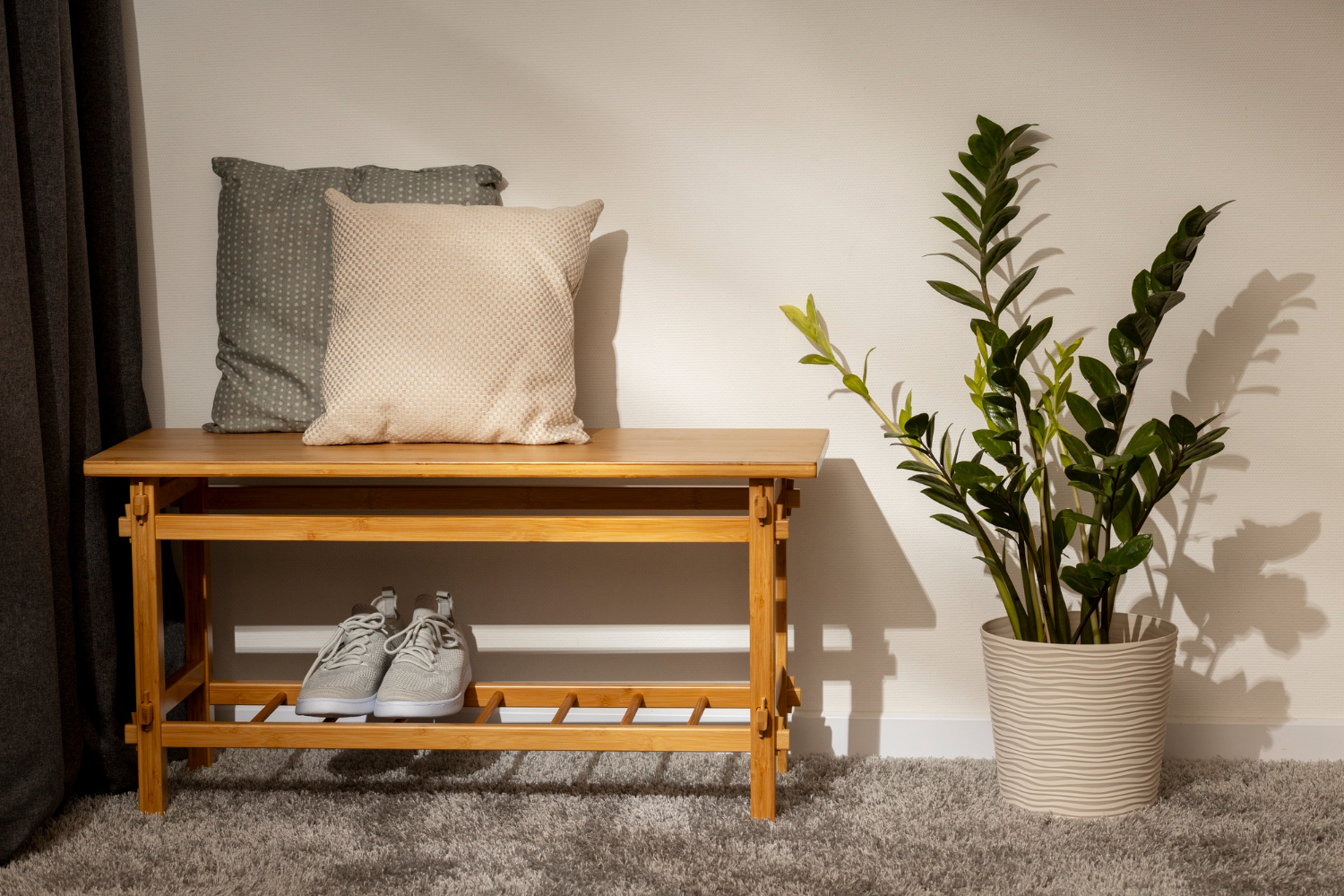
5 Ways to Incorporate Natural Elements into Your Home
Incorporating natural elements into your home can transform any space into a calming, welcoming sanctuary. Natural materials have a timeless appeal, bringing a sense of serenity and tranquility to your living environment. Whether you want to create a more organic feel or simply introduce some life into a room, natural elements can enhance the beauty and functionality of your home. The good news is, adding nature-inspired touches doesn’t require an expensive renovation or major changes—it’s all about finding ways to embrace the earth’s simple beauty.
Here are five effective and budget-friendly ways to incorporate natural elements into your home, making your space feel more connected to the outdoors while boosting its aesthetic appeal.
- Bring the Outdoors In with Plants
One of the easiest and most impactful ways to incorporate natural elements into your home is by adding plants. Indoor plants bring a burst of life and color into any space, and they have the added benefit of purifying the air and improving overall well-being. Whether you have a green thumb or are just starting, there are plants for every skill level and space.
- Low-maintenance plants: If you’re new to caring for plants, start with low-maintenance options like snake plants, pothos, or succulents. These plants require minimal watering and can thrive in indirect light, making them perfect for beginners.
- Hanging plants: For smaller spaces, consider hanging plants like ferns or ivy. These plants add greenery without taking up floor space and create a beautiful cascading effect.
- Statement plants: Larger plants, like fiddle leaf figs or rubber plants, can be placed in the corners of living rooms or entryways to create a statement piece. These plants not only look stunning but also help fill empty spaces, giving the room a fuller, more dynamic feel.
- Herb gardens: If you have a sunny windowsill or kitchen nook, try growing your own herbs like basil, rosemary, or mint. They not only bring a natural touch to your home but also offer fresh ingredients for your cooking.
By adding plants, you bring nature’s beauty indoors while creating a sense of calm and serenity in your home.
- Incorporate Wood Elements
Wood is a quintessential natural material that adds warmth and texture to any space. Whether it’s through furniture, accents, or architectural features, wood brings an earthy, organic feel that can make your home feel more grounded and connected to nature.
- Wooden furniture: Invest in high-quality wooden furniture pieces like coffee tables, dining tables, or bookshelves. You don’t have to buy expensive hardwood furniture— there are plenty of affordable options made from reclaimed wood or veneer that still offer the beauty and texture of real wood.
- Wooden accents: Small wooden accents like picture frames, trays, or lamps can add warmth and texture to your space without overwhelming the room. Consider incorporating wood in unexpected places, such as using a wooden serving tray on your kitchen island or adding a wooden ladder for hanging blankets in the living room.
- Exposed wood beams: If you’re doing any renovations, consider exposing the beams in your ceiling for a rustic, farmhouse-style look. Even if you can’t expose existing beams, you can mimic the look with wood paneling or faux beams to give your home a touch of natural charm.
- Wooden flooring: If you’re planning to redo your floors, consider hardwood, bamboo, or cork as eco-friendly alternatives to tile or carpet. These materials are not only sustainable but also add a rich, natural aesthetic to your home.
Wood is a versatile material that can be used in countless ways throughout your home. Whether you go for large, statement pieces or smaller accents, wood brings an organic and timeless appeal that never goes out of style.
- Use Stone and Stone-Look Textures
Stone elements can bring a sense of permanence and sophistication to your home. From natural stone countertops to decorative stone accents, incorporating this material can give your space a grounded, earthy vibe. Stone is durable, timeless, and comes in a variety of colors and textures, making it easy to integrate into any design scheme.
- Stone countertops: If you’re renovating your kitchen or bathroom, consider opting for stone countertops made from materials like granite, marble, or soapstone. These materials have a luxurious feel and are incredibly durable, making them a worthwhile investment for your home.
- Stone tiles: For a more budget-friendly option, stone tiles for flooring or backsplash areas are an excellent choice. You can find affordable stone-look tiles that mimic the appearance of marble or travertine without the high price tag.
- Stone accents: Incorporating small stone pieces into your decor can have a big impact. Look for stone vases, trays, or sculptures to add texture and visual interest to shelves or tables.
- Natural stone fireplace: If you have a fireplace, consider using natural stone to create a stunning hearth or mantelpiece. Stone finishes in neutral tones can complement a variety of decor styles, from modern to rustic.
Stone is a natural material that brings a rugged yet refined beauty to your home. Its earthy colors and textures make it a perfect material to pair with other natural elements like wood and plants.
- Add Natural Fibers in Fabrics and Textiles
Another easy and cost-effective way to incorporate natural elements into your home is through the use of natural fibers in fabrics and textiles. Whether you’re adding linen curtains, jute rugs, or cotton throw pillows, these materials create a soft, organic feel that enhances your home’s overall comfort and style.
- Linen and cotton: Linen and cotton are breathable, natural fabrics that add texture and lightness to your home. Use linen curtains to let in natural light while adding a soft, airy vibe to your living room or bedroom. Cotton bedding or throw blankets offer comfort and relaxation without the synthetic feel of polyester.
- Jute and sisal rugs: Jute and sisal are both durable, sustainable materials that are perfect for creating texture on the floor. Add a jute rug to your living room or entryway for a natural, rustic touch. These rugs come in a variety of sizes and shapes, making them versatile enough to fit any space.
- Wool: Wool is another natural fabric that brings warmth and comfort to your home. Add wool throw blankets, pillows, or a wool rug to create a cozy, inviting atmosphere in your living room or bedroom. Wool is especially great for cooler months as it adds an extra layer of warmth and insulation to your home.
- Bamboo: Bamboo is a fast-growing, eco-friendly material that can be used in furniture, textiles, and decor. Bamboo pillows, sheets, or towels are a great alternative to synthetic options, and they add a fresh, natural look to your home.
By choosing textiles made from natural fibers, you’ll not only enhance the look of your home but also contribute to a more sustainable and eco-friendly environment.
- Create Outdoor Living Spaces
Incorporating natural elements into your home doesn’t have to be limited to the interior. Outdoor spaces like patios, balconies, and gardens offer the perfect opportunity to embrace nature and bring the outdoors inside. Creating an outdoor living space can also extend your home’s usable square footage and provide a peaceful retreat.
- Outdoor furniture: Invest in outdoor furniture made from natural materials like wood, wicker, or bamboo. These materials are durable, weather-resistant, and bring an organic feel to your outdoor space. Pair your furniture with comfortable cushions made from natural fibers like cotton or linen for a cozy touch.
- Water features: A small fountain or water feature in your garden can add a soothing, natural element to your outdoor space. The sound of trickling water creates a peaceful atmosphere, helping you relax and unwind in your backyard.
- Outdoor plants and trees: Add plants and trees to your outdoor space to create a lush, natural environment. Use potted plants, hanging planters, or even build a vertical garden to maximize your space and introduce greenery.
- Natural stone pathways: If you have a garden or large yard, create a natural stone pathway to guide guests through your space. Stones and gravel can be arranged in patterns to create an inviting, rustic look that complements the outdoor elements.
By creating an outdoor living area, you’re not only adding value to your home but also fostering a deeper connection with nature. Outdoor spaces allow you to enjoy fresh air and natural surroundings while creating an extension of your cozy indoor retreat.
Conclusion
Incorporating natural elements into your home is an easy and affordable way to create a more peaceful, grounded, and stylish living space. Whether you’re adding plants, wood accents, stone elements, natural fibers, or creating outdoor spaces, the beauty and calming effect of nature can transform any room. By embracing these natural materials, you’ll not only enhance the aesthetics of your home but also create a healthier, more eco-friendly environment. So, take these simple tips and start bringing the beauty of the natural world into your living space today!